A lot of people who are shopping for a printer think that all of them will give them the same results. But printers made for printing photos and drawings are built very differently from printers made for printing documents. Some features, like the technology inside and how the colors are handled, have a direct effect on how clear, bright, and true to life your pictures look. If you know why some printers work better in certain situations, you can make a smarter, more informed choice when printing family pictures, creative projects, marketing graphics, or design work.
Things That Make Printers Better For Photos And Graphics
1. Better Print Quality For Fine Details
More dots per inch (DPI) are usually found in printers made for pictures and graphics. The printer can put more ink droplets in a small space when the resolution is higher. This makes the lines, curves, and patterns sharper and smoother. This is especially clear in shadows, gradients, and facial features that need to be precise. While low-resolution printers might work fine for text, they can make pictures look fuzzy or flat.
2. Color Ink Systems Of The Future
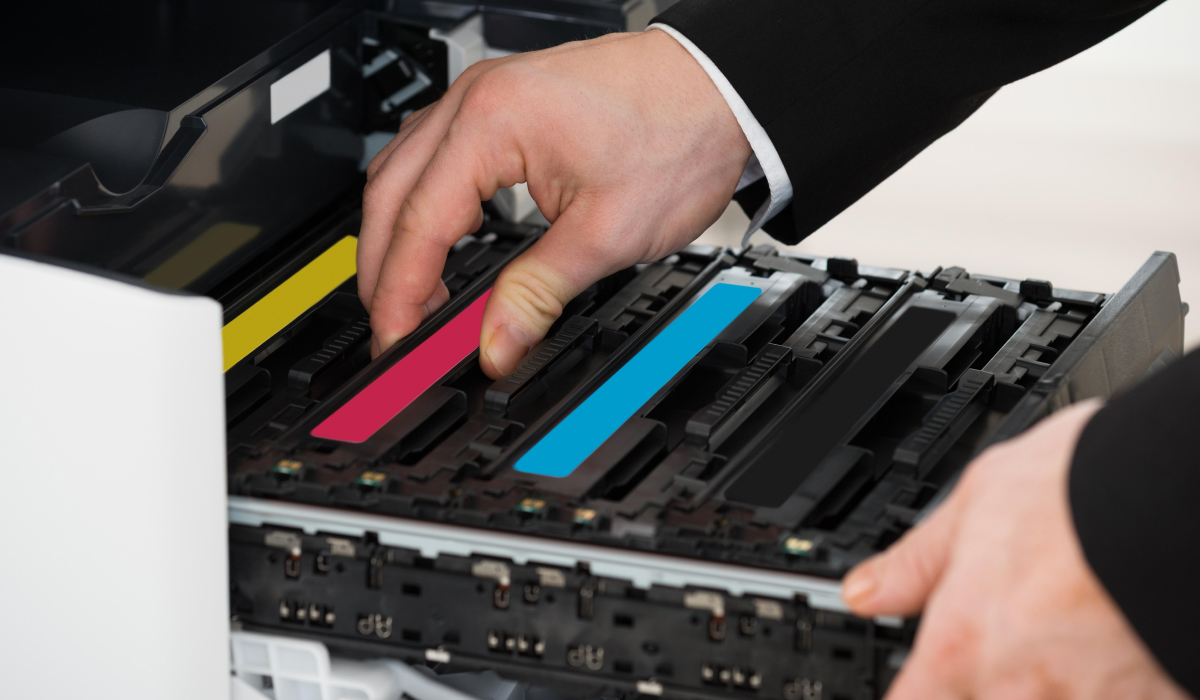
Printers that are good at making photos often use more than the usual four colors of ink. There are four colors: cyan, magenta, yellow, and black. Some types have extra colors, like light cyan or light magenta. With these extra paints, you can get more accurate tones and smoother color changes, especially in skin tones and skies. Prints that use a wider range of colors look more realistic and have more visual depth.
3. Gradients And Shades Can Be Used Better
A lot of what makes graphics and photos work is how the colors and tones change slowly. Printers made for these uses are made to handle gradients smoothly, so there are no obvious bands (lines that show where the colors change). This makes the shadows, highlights, and mixed backgrounds look better, so the final print will be more like what you see on your screen.
4. Support For Media And Compatibility With Paper
Most photo and graphic printers can handle a wider range of paper types and thicknesses. A lot of the time, glossy picture paper, matte art paper, and specialty media can all be used together. This means that the printer can change how much ink goes on each surface. When you use the right paper, the colors and details get better, which some office printers might not fully support.
5. Size Of The Ink Droplets And Fine Control
Images with more details can be made with smaller drops of ink. Photo printers use technology that more precisely controls spray size, which makes fine details look smooth instead of splotchy. For complex patterns, textures, and high-definition images, this amount of control is a must.
6. Improved Driver and Image Processing
A lot of printers that can print graphics have better processing inside that reads image data more correctly. This keeps the color balance, contrast, and detail while the picture is being made. The result is work that doesn't look dull or washed out but keeps its depth and sharpness.
Choose The Right Printer To Get Good Pictures
Printers that are made for graphics and photos stand out because they put detail, color accuracy, and the ability to print on a variety of surfaces first. There is a clear difference in output quality when features like higher resolution, more advanced ink systems, and better color handling are used. If you need to print pictures, artwork, or papers with lots of designs, choose a printer that is made for visual performance. This will make sure that the results look polished, bright, and more like the original digital file.