Printers are very useful in modern homes and workplaces, but energy use is often forgotten when choosing a device. As technology changes, printer makers are putting more focus on being eco-friendly, efficient, and using energy in a smart way. Printers today are not only made to be fast and good, but they are also made to use less electricity without losing any of their performance. Users can make decisions that are both more productive and better for the world if they know how modern printers handle power.
Important Printer Energy Efficiency Technologies
1. Auto-Power-Off and Smart Sleep
These days, printers are made to go into low-power sleep modes when they're not being used. The smart systems in these machines use less energy when they're not in use and turn off parts that aren't needed automatically. The printer quickly goes back to working mode after a print job is sent. This mix between being ready and saving energy helps cut down on day-to-day power use that isn't needed.
2. The Technology of LED Printing
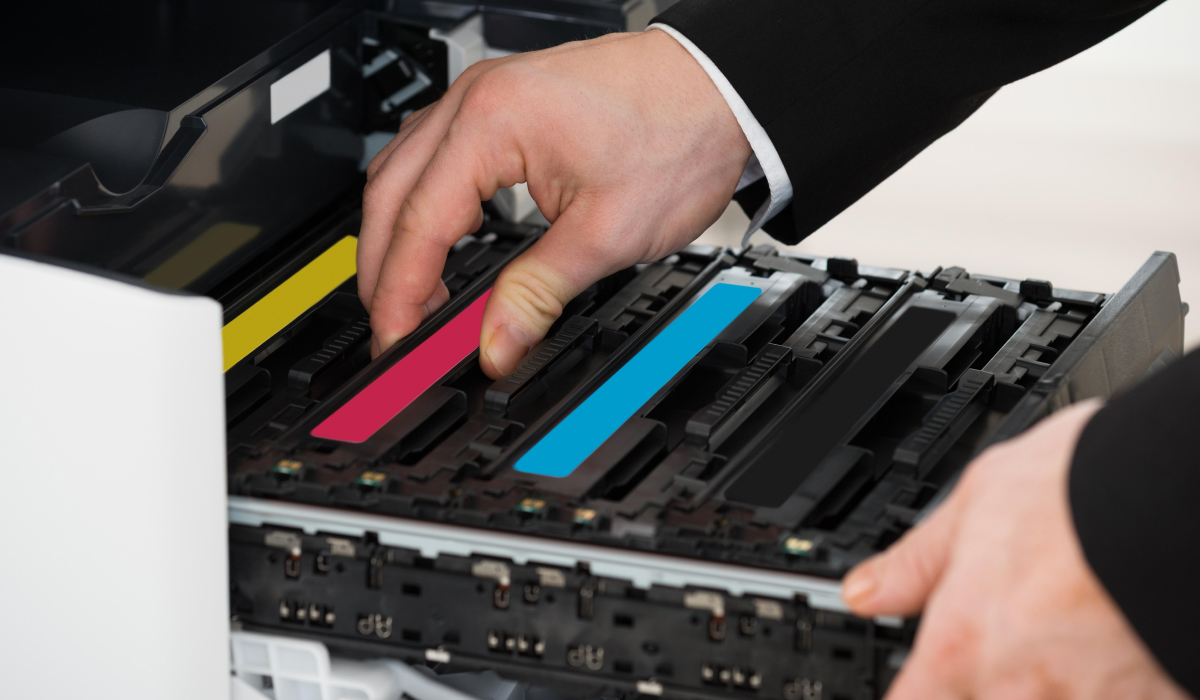
LED printers don't use laser scanning methods; instead, they use light-emitting diodes. There are fewer moving parts in this design, and it uses less energy during the image process. As long as LED arrays stay in place and work well, they help keep output constant while using less electricity than older printing methods.
3. Energy-Saving Fusing Systems
As it uses heat to stick toner to paper, the fuser unit in many laser and LED printers is one of the parts that uses the most power. Newer models have more advanced joining technologies that make them heat up faster and keep the heat in better. This shortens the time it takes to start up and uses less energy over time while still producing high-quality prints.
4. Inkjet Printer Precision Ink Delivery
These days, inkjet printers use precise droplet placement methods that make the best use of ink and cut down on waste. Only the necessary amount of ink is used because of efficient printhead technology. This means that less power is used generally while the printer is running. Less mechanical action also helps make things more efficient.
5. Duplex Printing
A lot of modern printers can automatically print on both sides of the page. While duplex printing is usually thought of as a way to save paper, it also helps save energy. Printing on both sides cuts down on the number of pages that need to be handled, which in turn shortens the time that rollers and motors have to work.
6. Standards for Energy Certification
Printers that meet well-known standards for energy performance are made with strict rules for efficiency in mind. These devices are designed to use less power when they are not in use and when they are writing. Frameworks for certification urge manufacturers to come up with new ideas while making sure that devices meet environmental standards.
7. Designing Items That Work Well
The motors, power sources, and control boards in modern printers are all better designed so that they work more efficiently. Hardware is less stressed when there are lighter mechanical parts and better internal layouts. This lets printers do their jobs with less electricity use while still being reliable.
Efficiency in Energy Use for Future Printing
The energy economy has become one of the most important things to consider when developing new printer technologies. As long as people want reliable printing, companies are working on smarter ways to handle power, better designs inside, and innovations that are better for the environment. By knowing about these improvements, users can pick products that work well and use energy in a smart way. Being aware of costs and working toward green goals at the same time makes efficient printers a good choice for modern printing settings.