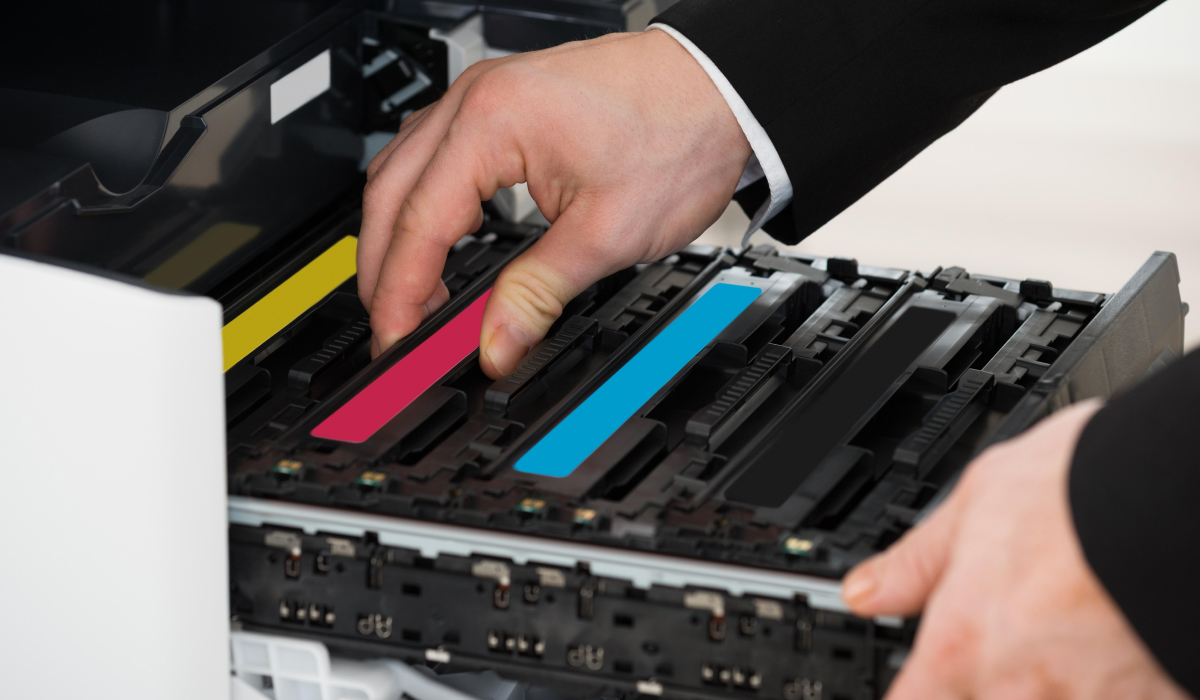
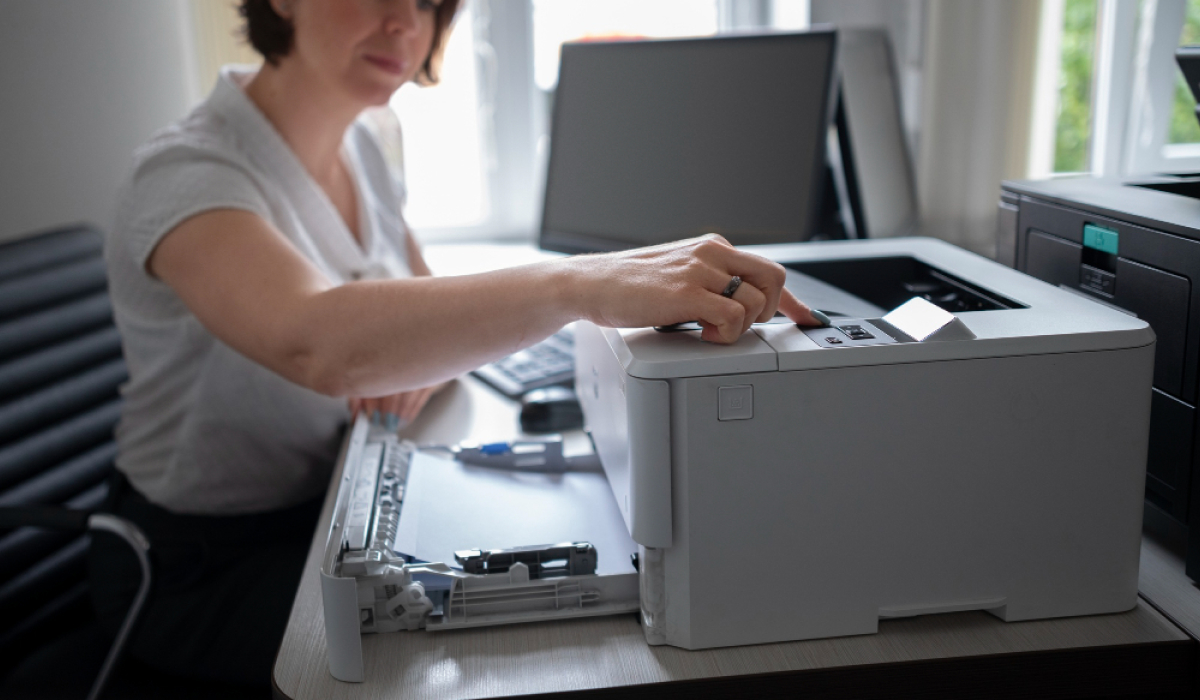
People often compare printers based on how fast they print, how well they print, and how many features they have. But another important thing that determines how useful a printer is in real life is the paper sizes it can handle. If you want to print documents, presentations, photos, or business materials, make sure the printer you buy can handle the right sizes of paper. Different printer types are made to do different things, and the types of paper they can handle show what those jobs are. If you know about these differences, it will be easier to choose a printer that meets your personal, academic, or business printing needs without running into problems.
Important Things That Affect Paper Size Support
1. Routine Printing Paper Sizes
A4, Letter, and Legal are standard sizes that most home and office printers can print on. These are great for schoolwork, projects, contracts, and other paperwork. Everyday printers are designed to work best with these types, so they feed paper easily and print reliably. This standard compatibility makes sure that normal printing jobs can be done without having to make any extra changes or handle the media in a special way.
2. Photo-printing paper sizes
A lot of printers that are made to take photos can handle smaller paper sizes like 4x6, 5x7, and other photo-specific sizes. You can use these sizes for personal photos, art projects, or business images. More types of picture paper can be used with inkjet printers than with other types of printers. This lets users make prints with more color and detail than just plain text.
3. Wide-format professional support
Large-format printers let you print on sizes of paper that are much larger than normal sheets. People often use these for signs, posters, building drawings, and design layouts. Because they can handle large sheets of paper, they are useful in fields where size and detail are important. These printers are made with special feed methods that keep the accuracy and consistency of large prints.
4. Paper Size Customization
To the extent that the printer supports it, some printers let customers set their own paper dimensions. When printing brochures, invitations, labels, or other things that aren't standard, this tool comes in handy. Users have more control over how their printed papers look and work when they can change the sizes. This makes creative and business-related uses possible.
5. Paper Tray and Feeding Design
Printers can handle a wide range of sizes, depending on how they are built. Many times, adjustable trays, rear feed slots, and manual feed choices make them more compatible. Printers with more than one input tray can also switch between sizes without having to reload often, which is helpful for businesses that print a lot of different types of documents.
6. Media Type Compatibility
Support for different paper sizes is often linked to support for different media types. Different sizes may also be possible with printers that can handle thicker materials, folders, or specialty paper. Customers can pick printers that work with the right size paper and the right weight and texture of paper when they understand this link.
Finding the Best Product for Your Printing Needs
How flexible a printer really is depends on what paper sizes it can handle. When it comes to everyday documents and big creative prints, compatibility is key to smooth performance and fewer restrictions. People can choose a printer that meets their present and future printing needs if they know about standard sizes, specialty formats, wide-format capabilities, and hardware design.